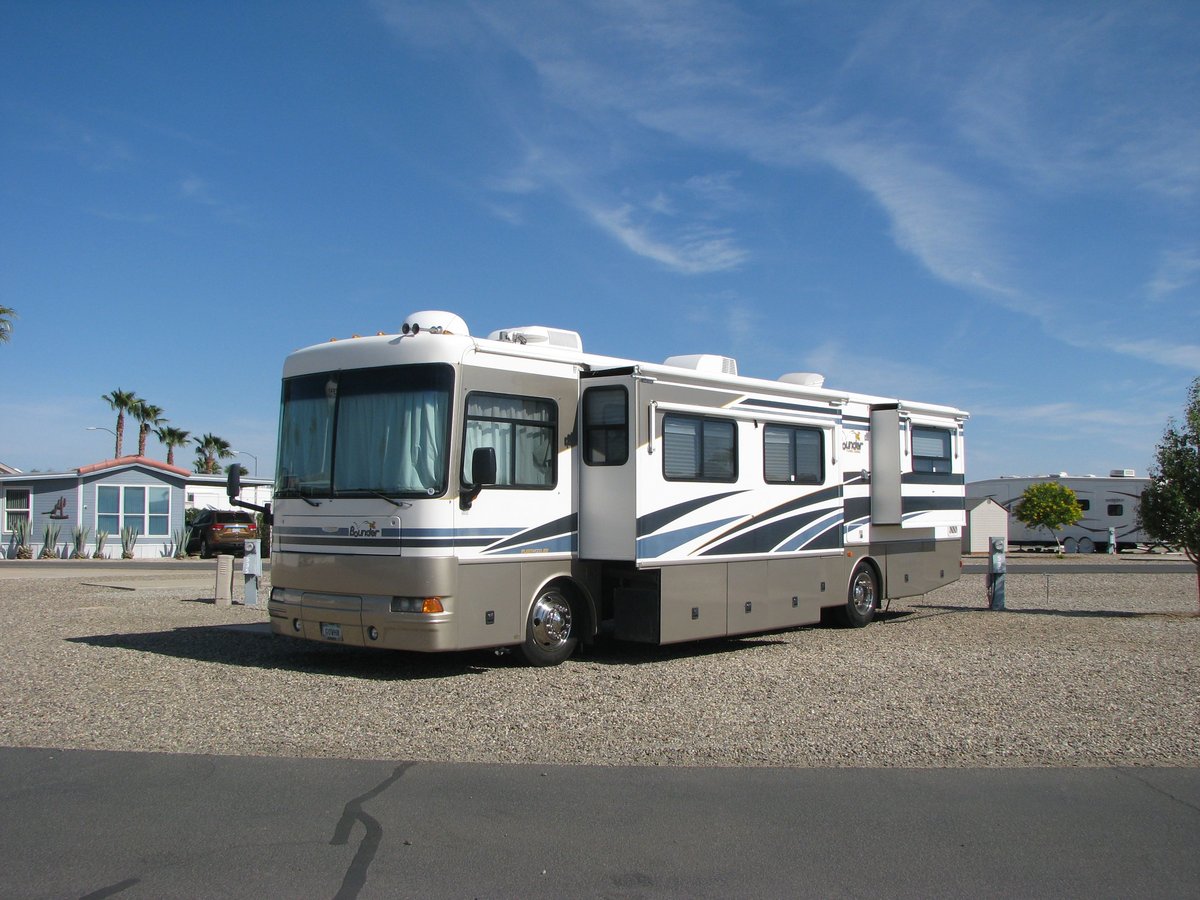
Imagine waking up to the gentle hum of nature, miles from any power outlet, yet your coffee machine is brewing, your AC is cooling, and your devices are charging. This isn't a pipe dream for RV enthusiasts; it's the reality unlocked by a reliable recreational vehicle generator. Whether you're chasing solitude in remote backcountry or seeking comfort in a bustling campground, a generator is the unsung hero that brings the comforts of home directly to your mobile adventure.
At its core, an RV generator converts fuel into electricity, empowering you to enjoy all your onboard appliances and electronics, from air conditioners and microwaves to entertainment systems and critical medical devices. It’s about more than just power; it’s about independence, convenience, and the freedom to truly explore without limits. This super pillar hub is designed to be your ultimate guide to understanding, choosing, and maintaining the perfect RV generator for your wanderlust.
Unlocking Off-Grid Freedom: Why an RV Generator is Essential
The allure of RV travel often lies in its flexibility – the ability to go wherever the road takes you. But true freedom means not being tethered to electrical hookups. A robust RV generator provides that crucial autonomy, turning your RV into a self-sufficient mobile base. It ensures your lights stay on, your food stays cold, and your batteries remain charged, even when you're far from civilization. For many, it's the difference between a good trip and a great one, offering peace of mind and the ability to operate essential appliances simultaneously.
Navigating the Power Landscape: Understanding Generator Types and Technology
The world of RV generators is rich with innovation, offering solutions tailored to every adventurer's needs. You'll primarily encounter traditional fuel-based generators, advanced inverter generators, and increasingly popular solar power stations. Brands like Cummins Onan have been a standard in RV power for over 80 years, known for quiet, reliable operation and an extensive service network. They offer everything from compact, lightweight inverter generators to fixed-mount units that effortlessly power multiple ACs and entertainment systems.
Fixed-mount generators, often integrated directly into your RV, can draw fuel directly from your vehicle's main tank (gasoline, diesel, or liquid propane) and can even be run while driving, potentially lowering overall fuel consumption. Inverter generators, on the other hand, produce a cleaner, more stable current, making them ideal for sensitive electronics like laptops and medical equipment. They are also significantly quieter and produce less vibration than conventional generators, with some Onan inverter models boasting 62.7% quieter operation and 60.6% less vibration than leading portables. To dive deeper into the mechanics and specific advantages of each power source, we highly recommend exploring our dedicated guide on RV Generator Types & Technology.
Powering Your Adventures: Sizing for Success
Choosing the right generator isn't about getting the biggest one; it's about matching its output to your specific power demands. This crucial step prevents overloading and ensures all your essential appliances run smoothly. Start by listing every appliance you plan to use, noting their starting (surge) and running watts. Common RVs often require at least 2,000 watts, but if you're frequently running appliances like two air conditioners, a microwave, and a TV simultaneously, you'll likely need a higher-powered fixed-mount unit, perhaps in the 3,500+ watt range. Most RVs also need a 30-amp (120-volt) outlet connection for direct integration.
Fuel type is another significant consideration. Options include diesel, gasoline, and liquid propane, with dual-fuel models offering increased flexibility. Gasoline is widely accessible but can be noisier, while propane is often quieter and can run longer per tank, though it may deliver slightly less wattage. Solar generators, or power stations, prioritize sustainability and silence, but typically generate less continuous power than fuel-based options. Understanding these nuances is vital for a seamless RV experience, and you can master this by reading our comprehensive article on Sizing Your RV Generator.
Getting Set Up: Seamless Installation and Operation
Once you’ve selected your ideal generator, proper installation and setup are key to maximizing its performance and ensuring safety. For portable units, this might involve simply positioning it correctly and connecting it via a surge protector or power cord. Fixed-mount generators, however, require more involved installation, whether you're replacing an old unit or integrating one into an RV that never had one. Professional installation through a certified dealer is often recommended for these complex systems, especially to ensure it seamlessly integrates with your RV's existing electrical system and fuel lines.
Many modern fixed-mount generators, like those from Onan, come with advanced features such as the EC-AGS+ system, allowing for smartphone control and automatic starting based on battery levels or temperature. This kind of technology elevates convenience, ensuring your RV is always powered when you need it most. For a step-by-step walkthrough of common setup scenarios and crucial considerations, delve into our guide on RV Generator Installation & Setup.
Keeping the Power On: Maintenance for Longevity
Like any vital piece of equipment, your RV generator thrives on regular maintenance. Proper care ensures its longevity, efficiency, and reliable operation for years of adventures to come. This includes routine oil changes, filter replacements, and general inspections. Manufacturers often provide clear guidelines; for instance, Cummins Onan offers robust warranty coverage for RV applications – 3 years or 2,000 hours, whichever comes first – with extended 5-year/3,000-hour options available, highlighting the importance of regular servicing to meet warranty conditions.
Neglecting maintenance can lead to unexpected breakdowns, especially when you're far from a service center. Thankfully, Cummins boasts over 600 service locations across the U.S. and Canada, offering accessible support. Staying on top of routine checks not only protects your investment but also ensures your generator is always ready to power your next journey. To learn the best practices for extending the life of your power source, be sure to consult our detailed guide on RV Generator Maintenance & Longevity.
Peace of Mind: Essential Tips for RV Generator Noise and Safety
While indispensable, operating an RV generator requires adherence to specific guidelines concerning noise and safety. Traditional fuel-based generators can be quite loud, which is why quiet inverter generators and silent power stations are gaining popularity. It’s important to note that many campgrounds, including National Parks, have strict noise regulations, often prohibiting noise levels above 60 decibels at 50 feet. Always check local rules before running your generator.
Beyond noise, safety is paramount. Fuel-based generators produce carbon monoxide (CO), a colorless, odorless, and deadly gas. Always operate these generators 5-10 feet away from your RV, ensuring they are clear of doors, windows, and any vents, with proper ventilation. Never run a fuel-based generator in the rain due to risks of fire or electrocution. Power stations, being battery-based, are safe for indoor use and offer a completely silent, emission-free experience. Features like automatic shut-off and CO sensors on newer models add an extra layer of protection. For a comprehensive overview of how to operate your generator safely and minimize noise disruptions, take a look at our article offering Tips for RV generator noise & safety.
Finding Your Perfect Power Companion
Choosing an RV generator is a significant decision that impacts your entire travel experience. It requires balancing your power needs, desired fuel type, installation considerations, and budget. Whether you opt for a robust installed unit like an Onan QG 7000, a versatile portable like the Champion 4,500-watt inverter generator, or a sustainable solar power station like the Jackery HomePower 3000, the right generator will elevate your RV adventures. A full selection of models is available through certified Cummins dealers, or specific models can be found online. By understanding the types, sizing correctly, and committing to proper maintenance and safety, you'll be well-equipped to enjoy reliable power wherever your RV takes you. Embrace the freedom, explore new horizons, and let your recreational vehicle generator light up every moment of your journey.