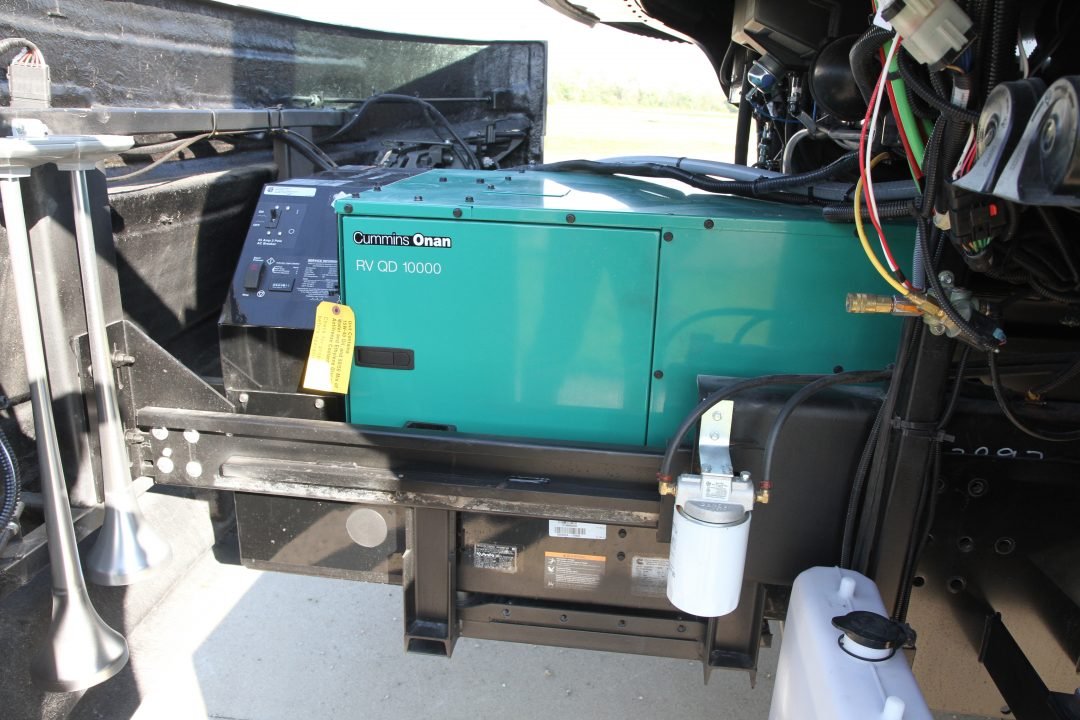
The hum of an RV generator promises power and independence, a soundtrack to countless adventures. But what if that hum could be quieter, that power more reliable, that independence even more liberating? The secret lies in understanding and strategically deploying RV Generator Accessories & Enhancements. These aren't just add-ons; they're vital tools that transform your generator from a simple power source into a seamlessly integrated, highly efficient, and incredibly user-friendly cornerstone of your mobile lifestyle.
Whether you're boondocking under a blanket of stars, tailgating with friends, or simply needing reliable backup power, the right accessories can drastically improve your experience, ensuring comfort, safety, and peace of mind.
At a Glance: Powering Up Your RV Life
- Boost Comfort & Convenience: Remote start systems, quieter operation, and extended run times mean less hassle.
- Enhance Safety: Critical accessories like CO detectors and exhaust extensions protect you and your loved ones.
- Improve Reliability & Longevity: Proper maintenance kits and protective covers keep your generator running smoothly for years.
- Optimize Efficiency: Smart fuel solutions and monitoring tools help you get the most out of every drop of fuel.
- Expand Your Freedom: Go further off-grid with confidence, knowing your power needs are met.
Why Bother with Enhancements? More Than Just Power
Think of your RV generator as the heart of your off-grid power system. While the generator itself provides the fundamental electricity, its accessories and enhancements act as the nervous system, circulatory system, and protective layers, making the entire setup more robust, intelligent, and tailored to your specific needs. Without these, you might find yourself dealing with noisy operation, frequent refueling, unexpected shutdowns, or even safety concerns.
Investing in the right accessories isn't about luxury; it's about making your RV experience smoother, safer, and ultimately, more enjoyable. It bridges the gap between simply having power and intelligently managing it. If you're looking to understand the fundamentals of these powerhouses, you might start with Your guide to recreational vehicle generators. But once you have the generator, it's time to supercharge its capabilities.
The Core Kit: Essential RV Generator Accessories
Every RVer should consider these foundational accessories. They address common pain points and lay the groundwork for a truly reliable power setup.
Fuel Management & Supply: Keeping the Juice Flowing
Your generator is only as good as its fuel supply. These accessories ensure you have enough, it's clean, and it's always ready.
- Extended Run Fuel Caps & Kits: For smaller, portable generators that typically have limited onboard fuel tanks, an extended run fuel cap allows you to connect an external, larger fuel tank. This drastically increases your run time, meaning fewer interruptions and less frequent refueling, especially overnight. Imagine running your generator for 12-24 hours without a refill!
- Consider: Compatibility with your generator model, tank capacity, and fuel line quality.
- Fuel Stabilizers: Generators, particularly those used intermittently, are prone to fuel degradation. Ethanol in gasoline can separate and cause significant damage to carburetors and fuel lines. A good fuel stabilizer prevents this breakdown, keeping your fuel fresh for months and ensuring your generator starts reliably after periods of storage.
- Pro Tip: Add stabilizer to every tank if your generator isn't running constantly.
- Inline Fuel Filters: Even the cleanest fuel can contain microscopic particles that can clog your generator's carburetor or fuel injectors. An additional inline fuel filter provides an extra layer of protection, particularly useful if you're drawing from external tanks or older fuel cans.
- Fuel Transfer Pumps: For RVs with large, built-in fuel tanks (especially diesel pushers), a small, portable fuel transfer pump can be invaluable for topping off the generator's smaller tank from the main vehicle tank. This is often integrated into the RV's fuel system for convenience.
Maintenance & Protection: Guarding Your Investment
A generator is a significant investment. These items help protect it from the elements and keep its internal components pristine.
- Generator Covers/Enclosures: Whether it's a portable unit or an installed one, protection from dust, rain, and UV rays is crucial. A custom-fit cover shields against the elements, preventing rust and wear. For installed units, proper enclosures also contribute to noise reduction and secure storage.
- Basic Service Kits: Just like your RV's engine, your generator needs regular oil changes, spark plug replacements, and air filter checks. A service kit, often specific to your generator's make and model, bundles these essentials, making routine maintenance straightforward.
- Example: A typical kit might include a new spark plug, air filter, oil filter, and a small jug of oil.
- Exhaust Extensions/Deflectors: These direct exhaust fumes safely away from your RV's living spaces, adjacent campsites, or awnings. Crucial for safety (carbon monoxide prevention) and preventing soot stains on your rig. Some even incorporate slight noise reduction.
- Magnetic Oil Drain Plugs: These plugs contain a strong magnet that collects tiny metallic particles circulating in the oil. By removing these abrasive particles, you reduce engine wear over time, potentially extending the life of your generator.
Connectivity & Power Distribution: Getting Power Where You Need It
Once your generator is running, you need to deliver that power safely and efficiently to your RV.
- Heavy-Duty Extension Cords & Adapter Plugs: A good quality, heavy-gauge extension cord (e.g., 10-gauge for 30A service) is vital for portable generators, allowing you to place the generator a safe distance from your living area. Adapter plugs are essential for matching your generator's outlet type (e.g., 30A TT-30R) to your RV's shore power inlet, or adapting 50A to 30A as needed.
- Pitfall: Never use undersized extension cords; they can overheat and become a fire hazard.
- Transfer Switches (Manual/Automatic): For RVs with installed generators and shore power hookups, a transfer switch is key. It safely switches your RV's electrical system between generator power and shore power, preventing both power sources from simultaneously energizing your RV (which is dangerous) and protecting the generator from back-feeding the grid.
- Manual: Requires you to flip a switch.
- Automatic (ATS): Detects power loss/availability and switches automatically, often found in larger Class A/C motorhomes.
- Surge Protectors/Electrical Management Systems (EMS): While often thought of for shore power, an EMS or surge protector can also protect your RV's sensitive electronics from power fluctuations and surges produced by your generator, especially during startup or shutdown. They monitor voltage, amperage, and frequency, disconnecting power if parameters are unsafe.
- Remote Start/Stop Kits: Imagine being able to start or stop your generator from inside your RV, or even from a short distance away, without stepping outside. These kits offer immense convenience, especially on chilly mornings or late nights. Many installed generators come with an indoor switch, but aftermarket wireless options exist for both portable and installed units.
Boosting Efficiency & Longevity: Smart Enhancements
These accessories take your generator performance to the next level, making it quieter, smarter, and more adaptable.
Noise Reduction Solutions: Finding Your Serene Spot
Generator noise is a common complaint, especially in quiet campgrounds. These solutions aim to minimize the disturbance.
- Aftermarket Exhaust Silencers/Mufflers: While generator exhaust extensions direct fumes, specific silencers or mufflers are designed to dampen the sound wave further. These can offer a noticeable reduction in decibels, making your generator much more neighbor-friendly.
- Sound-Dampening Materials: For installed generators within a dedicated compartment, lining the bay with acoustic foam or sound-deadening mats can significantly reduce noise transmission into the RV and to the outside.
- Anti-Vibration Pads: Placing rubber anti-vibration pads under a portable generator, or between an installed generator and its mounting frame, can absorb vibrations that contribute to noise and wear.
- Generator Tents/Enclosures: Some portable generator users opt for specialized "generator tents" or DIY enclosures that house the generator, directing exhaust safely out while absorbing much of the noise. Crucial: Ensure adequate ventilation to prevent overheating.
Monitoring & Diagnostics: Keeping an Eye on Things
Understanding your generator's health and performance is key to proactive maintenance and avoiding unexpected breakdowns.
- Hour Meters/Tachometers: An hour meter tracks total run time, vital for scheduling maintenance (oil changes, filter replacements). Some models also include a tachometer to monitor engine RPMs. Many modern generators include these features, but older or simpler models may benefit from an aftermarket add-on.
- Wireless Monitoring Systems: Advanced systems can monitor fuel levels, oil temperature, voltage output, and even fault codes, sending data to a display inside your RV or even to a smartphone app. This provides real-time insights and warnings, allowing you to address minor issues before they become major problems.
- Carbon Monoxide (CO) Detectors: While not directly an "accessory" for the generator, a properly functioning CO detector inside your RV is an absolutely non-negotiable safety enhancement related to generator use. Generators produce CO, an odorless, colorless, deadly gas. Ensure your detectors are current, tested, and strategically placed.
Automatic Start Systems (AGS): The Ultimate Convenience
An Automatic Generator Start (AGS) system is a game-changer for serious boondockers or those who rely heavily on generator power.
- How They Work: AGS systems monitor specific parameters (most commonly battery voltage, but also temperature, or even AC demand) and automatically start your generator when a threshold is met. For example, if your RV batteries drop below a set voltage (e.g., 12.0V), the AGS will kick on the generator to recharge them.
- Benefits:
- Battery Protection: Prevents deep discharge of your house batteries, prolonging their life.
- Climate Control: Can start the generator to run AC units if interior temperatures rise above a set point, keeping pets or occupants comfortable.
- Peace of Mind: You don't have to constantly monitor your power system.
- Considerations:
- Quiet Hours: Be mindful of campground quiet hours, as an AGS might start the generator automatically during these times. Some systems allow you to set "quiet times" or disable auto-start.
- Fuel Consumption: Ensure you have enough fuel if running an AGS for extended periods.
- Integration: AGS systems are typically integrated with your RV's inverter/charger and battery monitor for seamless operation.
Alternative Fuel Kits: Flexibility in Fueling
For some generators, particularly portable ones, conversion kits allow them to run on fuels other than gasoline.
- Propane/Natural Gas Conversion Kits (Dual Fuel/Tri Fuel): These kits adapt your gasoline generator to also run on propane or natural gas.
- Pros: Propane burns cleaner (less carbon buildup), has a longer shelf life than gasoline, and is often readily available at RV parks. Natural gas is even cleaner but requires a hookup.
- Cons: Propane can be less fuel-efficient (burns faster, slightly less power output), and portable propane tanks add bulk. Conversion might void your generator's warranty if not done by an authorized dealer.
- Example: A "tri-fuel" generator could run on gasoline, propane, or natural gas, offering maximum flexibility.
Safety First: Non-Negotiable Accessories
Some accessories aren't just convenient; they're vital for your health and safety.
- Carbon Monoxide (CO) Detectors (Reiterated): This cannot be stressed enough. RVs are enclosed spaces. Generators exhaust CO. A detector is your first line of defense. Ensure it's battery-operated with a fresh battery, or hardwired with a backup, and tested regularly. Consider having multiple, strategically placed detectors.
- Fire Extinguishers: Keep a readily accessible, ABC-rated fire extinguisher near your generator, especially if it's external or portable. Fuel and electrical components can pose fire risks.
- Grounding Kits/Rods: While many modern RVs and generators have sufficient grounding, some situations (especially with portable generators used away from the RV) may benefit from an additional grounding rod driven into the earth. Always consult your generator manual and local regulations.
- Exhaust Extensions (Reiterated for Safety): Beyond noise, safely routing exhaust fumes away from any potential intake into the RV (windows, doors, vents) is paramount. This simple accessory prevents potentially fatal CO buildup inside or around your living area.
Choosing the Right Accessory: What to Consider
With so many options, how do you decide what's right for you?
- Generator Type and Size: Is it a small, portable inverter generator or a large, installed diesel unit? Accessories are often specific. A remote start for a portable unit is different from one for an installed unit.
- Your RV's Power Needs: Do you just need to charge batteries and run a few lights, or are you running multiple AC units, a microwave, and a hair dryer? This dictates the complexity of your power distribution and monitoring needs.
- Boondocking vs. Campground Use:
- Boondocking: Emphasize extended run times, fuel efficiency, monitoring, and robust power delivery. AGS and dual-fuel kits shine here.
- Campground: Focus on noise reduction (quiet hours!), safety, and efficient hookups.
- Budget: Accessories range from inexpensive spark plugs to high-end AGS systems. Prioritize safety and core reliability first.
- Ease of Installation: Are you comfortable with DIY projects, or would you prefer professional installation? Some accessories (like exhaust extensions) are simple, while others (AGS, complex wiring) are best left to a certified RV technician.
- Compatibility: Always check if an accessory is compatible with your specific generator make and model. Universal parts are rare for complex systems.
- Warranty Implications: Be aware that some modifications (e.g., alternative fuel conversions) might void your generator's factory warranty if not performed by an authorized service center.
Installation & Maintenance Tips for Accessories
Once you've chosen your enhancements, proper installation and ongoing care are critical.
- Read the Manuals: This seems obvious, but every accessory comes with specific instructions. Follow them precisely.
- Safety First: Before any work on your generator, always disconnect its power source (if applicable) and ensure it's cool. Wear appropriate safety gear (gloves, eye protection).
- Secure All Connections: Whether it's a fuel line, an electrical wire, or an exhaust pipe, ensure all connections are tight and secure to prevent leaks, shorts, or disconnections during travel.
- Regular Checks:
- Fuel Lines: Inspect for cracks, leaks, or degradation.
- Electrical Connections: Check for corrosion, loose wires, or fraying.
- Covers/Enclosures: Ensure they are intact and providing adequate protection.
- CO Detectors: Test monthly.
- Cleanliness: Keep your generator and its accessories clean. Dust and debris can impede performance and lead to overheating.
- When to Call a Pro: If you're unsure about an installation, encounter complex electrical wiring, or suspect a serious issue with your generator or an accessory, don't hesitate to consult a qualified RV technician. Their expertise can prevent costly mistakes and ensure your safety.
Common Myths & Misconceptions About Generator Accessories
Let's clear up some common misunderstandings.
- "Generator accessories are just expensive toys."
- Reality: While some can be luxury items, many are crucial for safety (CO detectors, exhaust extensions), reliability (fuel stabilizers, service kits), and essential convenience (remote start, extended run tanks). They protect your investment and enhance your experience.
- "Any fuel stabilizer will do."
- Reality: While many generic stabilizers work, those specifically formulated for small engines or marine use (which often deal with ethanol issues) can offer superior protection, especially for generators that sit for long periods.
- "Exhaust extensions make generators silent."
- Reality: Exhaust extensions primarily direct harmful fumes away. While they might slightly alter the sound, they are not designed for significant noise reduction. For quiet, you need specific silencers, mufflers, or sound-dampening enclosures.
- "My RV came with an internal CO detector, so I'm covered."
- Reality: It's great you have one, but CO detectors have a lifespan (typically 5-7 years) and should be tested regularly. Consider having a second, battery-operated one at a different height/location for extra vigilance, especially if your generator runs frequently.
The Road Ahead: Maximizing Your Power Freedom
Your RV generator is a key component in unlocking true independence on the road. By strategically integrating the right RV Generator Accessories & Enhancements, you're not just adding features; you're building a more reliable, safer, and ultimately more enjoyable foundation for your adventures.
Take the time to assess your specific needs, understand the benefits of each accessory, and prioritize safety above all else. With a well-equipped generator, you'll find that the hum of power is less a background noise and more a reassuring serenade to your next great journey. Power your freedom, intelligently.