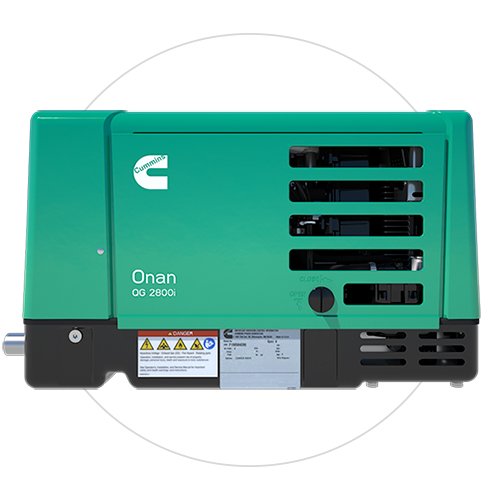
The call of the open road, the allure of remote campsites, the freedom to truly escape – it's a dream for many RVers. But enjoying these secluded spots means embracing self-sufficiency, and that almost always requires a reliable power source. Enter the RV generator: your ticket to consistent, high-wattage power, transforming your rig into a true off-grid oasis. Mastering RV Generator Installation & Setup is the cornerstone of unlocking this ultimate mobile freedom, ensuring your lights stay on, your fridge stays cold, and your AC keeps humming, even miles from the nearest outlet.
At a Glance: Powering Up Your RV Life
- Why a Generator? Uninterrupted power for dry camping, remote travel, emergencies, and enhanced comfort.
- Plan First: Crucial decisions involve fuel type (gas, LP, diesel, dual), wattage (3000-8000W+ for most RVs), and noise level.
- Placement Matters: Prioritize factory compartments, or secure, well-ventilated custom/under-chassis mounts. Carbon monoxide safety is paramount.
- Installation Basics: Involves mounting, fuel/exhaust connections, and critical electrical wiring (often requiring an Automatic Transfer Switch or ATS).
- Pro Help: Highly recommended for complex electrical work, especially if you're not an experienced DIYer.
- Safety First, Always: CO detectors are non-negotiable. Proper ventilation and exhaust routing prevent serious hazards.
- Maintain for Longevity: Regular checks (oil, filters, spark plugs) prevent breakdowns and extend generator life.
Why Bother with an RV Generator? The Freedom of Self-Sufficiency
Imagine pulling up to a breathtaking vista, far from any campground hookups. With a properly installed RV generator, that scenic spot isn't just a photo op—it's your home for the night. This isn't just about convenience; it's about empowerment. A built-in generator provides:
- Uninterrupted High-Wattage Power: Run your air conditioner, microwave, hairdryer, or power tools without a second thought.
- True Off-Grid Freedom: Go beyond shore power limits, extending your trips to national forests, deserts, or anywhere the road takes you.
- Emergency Preparedness: A reliable backup during power outages, keeping essential systems running.
- Enhanced Comfort: Maintain climate control and enjoy all your appliances, making long-term dry camping genuinely comfortable.
- Increased RV Value: A professionally installed, well-maintained generator is a significant asset that enhances your RV's market appeal.
It's more than just a piece of equipment; it’s a lifestyle upgrade, allowing you to explore with confidence.
Planning Your Power Play: Key Decisions Before You Start
A successful generator installation begins long before you pick up a wrench. Careful planning ensures you choose the right unit for your needs and avoid costly mistakes down the road. Think of it as mapping your power future.
Fuel Type: Matching Your RV's Needs
Your generator’s fuel source is a foundational choice, often dictated by your existing RV systems.
- Gasoline: The most common choice due to widespread availability at gas stations. However, gasoline generators tend to be less fuel-efficient and require careful storage due to flammability. Good for RVs already running on gasoline.
- Propane (LP): Offers a cleaner burn, longer shelf life for fuel, and is often integrated with your RV's existing LP tanks. This can simplify fuel management but might limit total run time if your LP supply is small.
- Diesel: Typically found in larger, diesel-powered RVs. Diesel generators are the most powerful, fuel-efficient, and durable, offering impressive longevity. They use the same fuel as your RV's engine, streamlining your fuel stops.
- Dual Fuel: These versatile units can run on either gasoline or propane, offering excellent flexibility. This can be a lifesaver if one fuel source becomes unavailable.
Consider your typical trip length, your RV's existing fuel infrastructure, and your priorities for efficiency and convenience.
Wattage: Don't Underpower Your Adventures
This is where many RVers make a critical misstep. You need enough power to comfortably run your essential appliances, plus a buffer for starting surges.
- The Math: List all the appliances you anticipate running simultaneously and note their wattage. Pay special attention to "starting watts" for motor-driven appliances like AC units or microwaves, which briefly draw significantly more power than their running watts.
- Typical Needs:
- A 30-amp RV typically requires 3,000-4,000 watts.
- A 50-amp RV usually needs 5,500-8,000 watts or more, especially if you plan to run two AC units simultaneously.
Pro Tip: Always err on the side of slightly more wattage. You can always run fewer appliances, but you can't magically get more power out of an undersized generator. Running a generator at its maximum capacity constantly can reduce its lifespan and efficiency.
Noise Level: Peace and Quiet vs. Power
Generators, by their nature, make noise. But how much noise can vary dramatically.
- Decibel (dB) Ratings: Check the decibel rating, usually listed at a certain distance (e.g., 50-60 dB at 23 feet). Lower is always better.
- Inverter Generators: Generally the quietest option, producing clean, stable power. They regulate engine speed based on power demand, making them very fuel-efficient and noticeably quieter than conventional generators. However, they come at a higher price point.
- Conventional Generators: Often louder, running at a constant RPM. While more affordable, their noise output can be disruptive to you and your neighbors, especially in quiet camping areas.
Consider your camping style. If you frequent quiet campgrounds or boondock extensively, investing in a quieter inverter model will significantly enhance your experience and maintain good relations with fellow campers.
Finding the Sweet Spot: Generator Placement & Ventilation
Incorrect generator placement isn't just an inconvenience; it can be a serious safety hazard. You're dealing with combustion, heat, exhaust, and vibrations, all of which need careful management.
Location Options: Where to Stash Your Powerhouse
- Factory-Designed Generator Compartment: This is the gold standard. These compartments are engineered for your specific RV model, ensuring proper ventilation, weight distribution, and often sound dampening. If your RV has one, use it.
- Custom Mounting: If no factory compartment exists, a custom, securely built compartment can be an option. It must be weatherproof, extremely sturdy, and, most importantly, provide ample ventilation.
- Under-Chassis Mounting: Saves valuable interior storage space and can help reduce noise inside the RV. However, units mounted here need robust protection from road debris, water, and corrosion. Ensure accessibility for maintenance.
Key Considerations for Safe Placement
Regardless of the location, these factors are non-negotiable:
- Ventilation is King: Generators produce heat and require a constant flow of fresh air for cooling. Poor ventilation leads to overheating, reduced efficiency, and premature wear.
- Exhaust Away from Living Spaces: This is a life-or-death issue. Carbon Monoxide (CO) is an odorless, colorless, deadly gas. The exhaust pipe must route safely away from all windows, doors, vents, and awnings. Use heat shields where the exhaust pipe is close to combustible materials.
- Weight Distribution: A generator is a heavy piece of equipment. Ensure its placement doesn't negatively impact your RV's balance or handling, especially on smaller rigs.
- Service Access: Think ahead. Can you easily access the oil dipstick, air filter, and spark plugs for routine maintenance without a major ordeal?
- Vibration and Noise Reduction: Mount the generator on vibration-dampening pads where possible. Consider sound-insulated models like those from Fischer Panda, which are water-cooled and enclosed, offering more flexibility for tighter, quieter installations.
- Proximity to Electrical System: Keeping the generator close to your RV’s main electrical panel and an Automatic Transfer Switch (ATS) minimizes wiring complexity and voltage drop.
The Nuts and Bolts: A Step-by-Step Installation Guide
Installing an RV generator is a significant project that requires mechanical aptitude, a good understanding of electrical systems, and a strong commitment to safety. While a DIY approach is possible for the mechanically inclined, for many, especially when it comes to electrical wiring, professional help is highly recommended.
Tools & Materials You'll Need
Gathering everything beforehand saves time and frustration.
- The Generator: Your chosen unit, of course!
- Heavy-Duty Mounting Hardware: Bolts, washers, lock nuts appropriate for the generator's weight and mounting surface.
- Fuel Line and Fittings: Specific to your chosen fuel type (gas, diesel, propane) and compatible with your RV's fuel system.
- Exhaust System: Exhaust pipe, muffler, clamps, hangers, and potentially heat shields. Ensure it’s corrosion-resistant.
- Appropriate Gauge Electrical Wiring: Follow generator and RV manufacturer specifications. This is critical for safety and efficiency.
- Automatic Transfer Switch (ATS): Essential for seamless and safe switching between shore power and generator power.
- Carbon Monoxide Detector: Multiple detectors are recommended, especially near sleeping areas.
- Basic Hand Tools: Wrenches, sockets, screwdrivers, wire strippers, multimeter, drill, torque wrench.
- Safety Gear: Gloves, eye protection, hearing protection, fire extinguisher (rated for electrical/fuel fires).
Core Steps: Bringing Your Power Source to Life
1. Prepare the Area for Installation
Park your RV on level ground. Disconnect all power sources: shore power, house batteries (disconnect negative terminals first), and turn off your propane supply at the tank. If using an existing compartment, clear it out. Double-check that no power is active anywhere.
2. Mount the Generator Securely
This is a two (or more) person job due to the weight. Carefully lift and position the generator into its designated compartment or mounting location. Use heavy-duty bolts, large washers, and lock nuts to secure it firmly. Vibration-dampening pads between the generator and the mounting surface are a good idea. The generator must not be able to shift or move, even during travel on rough roads.
3. Connect the Fuel Line
Connect the generator's fuel intake to your RV's main fuel tank (for gas/diesel) or propane system. For gas/diesel, this often involves tapping into the main fuel line with a "T" fitting or connecting to a dedicated fuel pick-up tube. For propane, it connects to your RV’s low-pressure propane regulator. After connecting, immediately check all fuel connections for leaks using a leak detector spray (for propane) or by visual inspection (for liquid fuels). This step requires precision and attention to detail.
4. Install the Exhaust System
Attach the exhaust pipe to the generator's exhaust port. Route the exhaust pipe safely away from all RV windows, doors, vents, and awnings. Use heat shields wherever the exhaust pipe runs close to combustible materials or areas accessible to people. Secure the exhaust pipe with hangers to prevent movement and vibration, which can cause cracks or leaks over time. A muffler is usually integrated or installed here to reduce noise.
5. Wire the Electrical System (The Critical Step)
This is often the most complex and safety-critical part of the installation. If you are not intimately familiar with RV electrical systems and local codes, hire a qualified RV electrician or technician for this step.
- Generator Output to ATS: Connect the generator’s main power output to the input of the Automatic Transfer Switch (ATS).
- ATS to RV Panel: Wire the ATS output into your RV’s main electrical panel.
- Grounding: Ensure the generator and ATS are properly grounded according to manufacturer instructions and local electrical codes.
- Automatic Transfer Switch (ATS): The ATS is essential. When you plug into shore power, it detects the incoming electricity and switches your RV to shore power. When you start the generator, it senses the generator power and switches your RV to generator power. This prevents two power sources from feeding your RV simultaneously, which is dangerous and damaging.
- Carbon Monoxide Detectors: Install and test carbon monoxide detectors near all sleeping areas immediately. These are your primary line of defense against exhaust leaks.
6. Test the System Thoroughly
Before you hit the road: - Double-Check Everything: Re-verify all mounting bolts, fuel connections, exhaust routing, and electrical wiring.
- Start the Generator: Follow your generator's starting procedure. Let it warm up.
- Test Appliances: Gradually turn on various appliances (lights, microwave, AC) to ensure they function correctly and that the generator handles the load.
- Test the ATS: With the generator running, plug your RV into shore power. The ATS should seamlessly switch from generator power to shore power. Unplug shore power, and it should switch back to generator power.
Beyond Installation: Operating Your Generator Safely & Smartly
A well-installed generator is only as good as its operation. Responsible usage ensures safety, longevity, and consideration for others.
Sustainable & Neighborly Practices
- Fuel Efficiency: Choose inverter generators, which are typically more fuel-efficient as they only produce the power needed, unlike conventional generators that run at a constant RPM.
- Noise Awareness: Be mindful of generator run times, especially in quiet areas or during late hours. Adhere to campground noise curfews.
- Supplement with Solar: Whenever possible, use solar panels or your battery bank for low-power needs, reserving the generator for high-draw appliances like AC.
- Proper Exhaust Direction: Always ensure exhaust is directed away from people and other RVs.
Safety Practices: Non-Negotiable Rules
- Carbon Monoxide Detectors are Lifesavers: Install them, test them regularly (monthly!), and replace batteries annually. If it goes off, ventilate immediately and evacuate.
- Adequate Ventilation: Never, ever operate a generator in an enclosed space (like a garage, or even too close to your RV if ventilation is blocked). It needs open air.
- Exhaust Clearances: Maintain proper clearances around the exhaust system to prevent fires and ensure CO dissipates harmlessly.
- Fuel Storage: Store any spare fuel in approved, well-vented containers, away from heat sources and living areas.
- Fire Extinguisher: Keep an ABC-rated fire extinguisher (suitable for electrical and fuel fires) easily accessible.
- Grounding: Always follow the manufacturer's grounding guidelines to prevent electrical shock.
- Pre-Trip Checks: Before each trip, quickly inspect your generator's mounting, fuel lines, and exhaust system.
Running a generator overnight is possible with extreme caution. Always ensure top-notch ventilation, impeccable exhaust routing, a fully functional carbon monoxide detector, and adherence to any campground regulations. Your safety, and that of those around you, is paramount.
Keeping the Power On: Troubleshooting & Maintenance
Like any engine, your RV generator needs love and attention to perform reliably. Regular maintenance prevents breakdowns, extends its lifespan, and keeps your off-grid adventures smooth.
Troubleshooting Common RV Generator Issues
Before calling a professional, check these common culprits:
- Won't Start:
- Fuel: Is there enough? Is the fuel valve open? Is the fuel fresh (especially for gasoline)?
- Choke: Is it properly engaged for a cold start, then disengaged?
- Spark Plug: Is it clean and properly gapped?
- Oil Level: Many generators have a low-oil shutdown feature.
- Starting Battery: Is the 12V starting battery charged?
- No Power Output:
- Circuit Breakers: Check both the generator's internal breaker and your RV's main breaker panel.
- Warm-Up: Has the generator had sufficient time to warm up before applying a load?
- ATS Function: Is the Automatic Transfer Switch functioning correctly and switching to generator power?
- Overheating:
- Ventilation: Is the compartment airflow restricted?
- Air Filter: Is it clogged?
- Overloading: Are you trying to draw too much power?
- Excessive Noise/Vibration:
- Mounting: Are all mounting bolts tight?
- Exhaust System: Is anything loose or rubbing?
- Level Surface: Is the RV parked on a relatively level surface?
For more complex issues, refer to your generator's owner's manual or consult a qualified technician.
Maintenance Schedule: Your Generator's Health Plan
Consistent, proactive maintenance is key. Think of it like an RV-specific medical check-up for your generator. For detailed instructions, always consult your generator's specific manual.
- Every 50-100 Hours of Operation:
- Check Oil Level: Top off if needed.
- Inspect/Clean Air Filter: Replace if heavily soiled.
- Check Spark Plug: Look for wear or fouling. Clean or replace as needed.
- Inspect Exhaust System: Look for cracks, leaks, or loose hangers.
- Annually or Every 200 Hours (whichever comes first):
- Change Oil and Oil Filter: Use the recommended oil type.
- Replace Air Filter: A clean air filter is crucial for efficiency.
- Replace Spark Plug: Ensures reliable ignition.
- Inspect/Replace Fuel Filter: Prevents fuel system clogs.
- Check Fuel Lines: Look for cracks, leaks, or deterioration.
- Clean Generator: Remove dust and debris from cooling fins and exterior.
- Long-Term Storage (Winterization):
- Fuel System: Run the generator with fuel stabilizer until it runs out of fuel (for gasoline models), or drain the fuel system completely. For diesel, ensure fuel stabilizer is added and the system is full.
- Oil Change: Perform an oil change.
- Cylinder Lubrication: Remove the spark plug and add a small amount of engine oil to the cylinder. Gently pull the recoil start a few times to distribute it (or briefly crank for electric start) to prevent rust.
- Storage: Store in a dry, protected environment.
This preventative approach will significantly extend the life of your generator and ensure it's ready when you need it most. Diving deeper into the world of RV generators can help you understand all the nuances of their operation and care; check out our comprehensive recreational vehicle generator hub for more details.
Your Burning Questions Answered: RV Generator FAQs
Let's address some of the common questions RVers have about generator installation and setup.
How much does an RV generator installation cost?
The cost can vary widely. Generator units themselves range from $800 for smaller portable units to $5,000+ for high-end built-in diesel models. Professional installation adds another $500 to $2,000+, depending on the complexity of the job, the type of RV, and regional labor rates.
Can I DIY my RV generator installation?
Yes, if you have strong mechanical and electrical skills and a good understanding of RV systems and safety protocols. Many people successfully install their own generators. However, if you're unsure about any aspect, especially the critical electrical wiring or fuel line connections, professional assistance is highly recommended. Incorrect wiring can be dangerous and costly.
How long does an RV generator installation take?
A professional installation typically takes anywhere from 4 to 8 hours, sometimes longer for complex setups (e.g., integrating with existing systems in older RVs or custom fabrication). A DIY installation can easily take a full weekend or even more, especially if you encounter unexpected challenges.
How do I choose the right size generator for my RV?
As a general guideline:
- 30-amp RVs usually require a generator between 3,000 and 4,000 watts.
- 50-amp RVs need a more powerful unit, typically 5,500 to 8,000 watts, especially if you plan to run multiple high-draw appliances like two air conditioners.
Always calculate your specific peak power needs, accounting for the higher starting surge wattage of motor-driven appliances.
Is it safe to run an RV generator overnight?
Yes, but only with extreme caution and proper precautions. This includes:
- Excellent Ventilation: Ensure plenty of open air around the generator.
- Safe Exhaust Direction: Exhaust must be routed well away from all windows, doors, vents, and neighboring RVs.
- Working Carbon Monoxide Detectors: Multiple, regularly tested CO detectors are non-negotiable.
- Campground Rules: Always respect local campground quiet hours and generator policies.
- Manufacturer Guidelines: Follow all safety recommendations from your generator's manual.
Never run a generator in an enclosed space or where exhaust fumes can accumulate.
Ready for the Open Road? Your Next Steps to Off-Grid Freedom
With a clear understanding of RV generator installation and setup, you're well on your way to unlocking a new level of freedom and self-sufficiency for your travels. Whether you choose to tackle the installation yourself or bring in a pro, the investment in reliable off-grid power will pay dividends in comfort, capability, and peace of mind.
Start by meticulously assessing your power needs and identifying the ideal generator type and placement for your RV. Prioritize safety throughout the entire process, from installation to operation and maintenance. By following these guidelines, you'll ensure your RV generator performs flawlessly, ready to power your adventures wherever the open road leads.