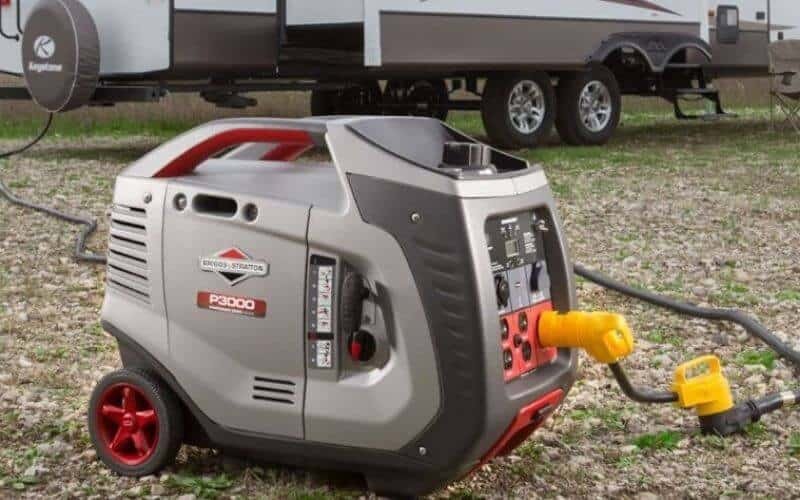
If the roar of your RV generator is drowning out the sounds of nature – or worse, stirring up complaints from fellow campers – you're facing a common challenge in the world of mobile adventuring. Striking the perfect balance between convenient power and peaceful enjoyment requires a deep dive into RV generator noise & safety. It's not just about compliance; it's about comfort, neighborly etiquette, and ensuring your boondocking bliss doesn't turn into a headache.
You want reliable power without the racket, and you absolutely need to operate your equipment safely. That's where this guide comes in: to empower you with the knowledge and practical steps to quiet your rig and protect your crew.
At a Glance: Key Takeaways for Quieter, Safer RV Power
- Decibels Matter: Generator noise is measured in decibels (dB), a logarithmic scale. A 10 dB increase feels twice as loud. Aim for 48–60 dB for quiet camping.
- Inverters Are King: Closed-frame inverter generators (48–58 dB) are the quietest due to their design and variable engine speed.
- Placement is Prime: Moving your generator just 15-25 feet away can significantly reduce perceived noise.
- Maintenance Isn't Optional: Regular tune-ups drastically cut down on noise and improve safety and efficiency.
- Soundproofing Works: Enclosures, acoustic foam, and exhaust modifications can make a big difference.
- Safety First, Always: Carbon monoxide is a silent killer. Ensure proper ventilation and monitoring.
- Eco Mode is Your Friend: Use it for lighter loads to reduce RPMs, noise, and fuel consumption.
The Unseen Burden: Understanding RV Generator Noise
The hum, drone, or outright roar of a generator can quickly transform a serene campsite into a noisy nuisance. But what exactly makes an RV generator loud, and why should you care beyond just your ears?
Think of generator noise as a complex beast. It's not just one sound but a symphony of mechanical clatter from moving internal parts and the expulsion of exhaust gases. Diesel generators, in particular, are notorious for their loud exhaust. This combined output is measured in decibels (dB), a unit that can be a bit tricky because it's on a logarithmic scale. What does that mean for you? A difference of 10 dB is perceived as twice as loud. So, a generator rated at 60 dB isn't just a little louder than one at 50 dB; it sounds twice as loud.
Manufacturers typically rate noise at a specific distance, usually 23 or 25 feet. When comparing models, always ensure you're looking at ratings from the same distance for an accurate comparison.
Generator Types and Their Typical Roar:
- Closed-frame inverter generators: These are your quiet champions, often registering between 48–58 dB. Their full enclosure and "inverter" technology (which adjusts engine speed to match the load) make them ideal for campgrounds and flexible boondocking. Many even have an "eco mode" to keep RPMs low unless significant power is needed, further reducing both noise and fuel use.
- Open-frame inverter generators: A step up in noise from their closed-frame cousins, these typically fall in the 55–65 dB range. Still a good option for RV travel, but less stealthy.
- Conventional generators: These are generally the loudest, starting around 65–75+ dB. Often, they're simply too loud for many campgrounds and close-quarter camping.
Why Silence Isn't Just Golden – It's Essential
Beyond your personal peace, there are practical reasons to prioritize a quiet generator:
- Campground Compliance: Many parks, especially state and national campgrounds, have strict noise limits, often ranging from 50 to 60 dB at 25 feet. Violating these rules can lead to fines or being asked to leave. Quiet hours are strictly enforced.
- Neighbor Relations: A noisy generator can quickly sour relations with fellow campers. Being a good neighbor means respecting the shared peace of the outdoors.
- Enhanced Boondocking: If you love to get off the grid, a quiet generator gives you more freedom to run essential appliances without drawing unwanted attention or disturbing wildlife. For comprehensive insights into powering your adventures, check out boondocking power solutions.
- Personal Enjoyment: Simply put, a quiet generator allows you to enjoy the sounds of nature, relax, and have conversations without shouting over mechanical noise.
Silence is Golden: Proven Strategies for Quieter RV Generator Operation
Now that you understand why generator noise is an issue, let's explore the actionable steps you can take to make your RV generator a much quieter companion.
1. Strategic Placement: The First Line of Defense
Where you put your generator makes an enormous difference in how loud it sounds to you and your neighbors.
- Distance is Key: Aim to place your generator 15–25 feet away from your RV (and other rigs), assuming your power cords allow. Even a few extra feet can significantly reduce the perceived volume thanks to sound dissipation.
- Level, Firm Ground: Always operate your generator on a stable, level, and firm surface. Soft ground, like loose dirt or grass, can amplify vibrations, leading to more noise. Concrete or compacted gravel is ideal.
- Away from Reflective Surfaces: Avoid positioning the generator near buildings, rock faces, or even large vehicles that can reflect sound waves directly back towards your camping area or your neighbors.
- Exhaust Direction: Always direct the exhaust away from your RV, other campers, and any living areas. This isn't just about noise; it's critical for safety to prevent carbon monoxide buildup.
- Vibration Dampening: If your generator is mounted, use rubber pads or other vibration-dampening materials between the generator and its mounting surface. This mitigates mechanical vibrations that can resonate through your RV structure.
2. Smart Operational Habits: Running Smarter, Not Louder
How you operate your generator can be just as important as where you place it.
- Engage Eco Mode: Most inverter generators come with an "eco mode" or "throttle control" feature. This allows the engine to run at lower RPMs when power demand is low, dramatically reducing noise and fuel consumption. Only when surge power is needed will the engine temporarily rev up. Make this your default setting for light loads.
- Longer, RV-Rated Extension Cords: Investing in high-quality, longer RV-rated extension cords (matching your generator's amperage output) gives you the flexibility to place your generator further away.
- Soft-Start Modules: For your RV's air conditioner, a soft-start module can reduce the sudden, high surge of power it draws upon startup. This not only eases the strain on your generator but can also prevent the generator from momentarily revving up to full throttle, reducing the associated noise spike. Curious about how to quiet your AC? You might find our guide on installing an RV soft-start module particularly helpful.
3. The Power of Proactive Maintenance: Keep it Tuned, Keep it Quiet
A well-maintained generator runs smoother, more efficiently, and significantly quieter. Neglecting maintenance is a surefire way to increase noise and reduce its lifespan.
- Regular Oil Changes: Fresh oil lubricates internal parts more effectively, reducing friction and mechanical noise. Follow your manufacturer's recommendations for frequency.
- Clean Air and Fuel Filters: Clogged filters restrict airflow and fuel delivery, forcing the engine to work harder and often louder. Replace them regularly.
- Spark Plug Inspection/Replacement: A clean, properly gapped spark plug ensures efficient combustion. A worn or fouled plug can lead to misfires and rougher, noisier operation.
- Carburetor Adjustment: A properly tuned carburetor ensures the correct fuel-air mixture, leading to smoother running and less noise. If your generator sounds rough or surges, a carburetor adjustment might be needed.
- Exhaust System Check: Inspect the muffler and exhaust pipes for leaks, cracks, or loose connections. Even a small leak can significantly increase exhaust noise.
- Clean Exterior and Cooling System: Dust and debris can clog cooling fins, causing the generator to overheat and strain, leading to increased noise.
- Check Battery/Electrical Connections: Loose connections can cause irregular performance and potential safety issues.
- Lubricate Moving Parts: Where applicable, lubricating components can reduce squeaks and friction.
- Test Under Load: Regularly test your generator under various loads to ensure it's performing as expected.
For more in-depth care tips, our comprehensive article on RV generator maintenance is an invaluable resource.
4. Taming the Exhaust Roar: Mufflers and Silencers
Since exhaust is a major noise culprit, modifying the exhaust system can yield noticeable results.
- Improved Mufflers/Silencers: Standard generator mufflers are often basic. Upgrading to an aftermarket muffler or adding a silencer specifically designed to diffuse exhaust noise can be highly effective. These modifications alter the exhaust flow and scatter sound waves more efficiently.
- Exhaust System Insulation: Insulating the exhaust pipe can help contain both heat and sound. Use high-temperature, sound-absorbing materials designed for exhaust systems.
- Safety First: Always ensure any exhaust modifications are safe, don't restrict exhaust flow excessively (which can damage the engine), and are compatible with your generator model. Improper modifications can lead to carbon monoxide leaks or fire hazards.
5. Building a Sound Barrier: Advanced Soundproofing Techniques
For those committed to maximum quiet, physical soundproofing offers substantial benefits.
- Soundproof Enclosures: Building or buying a soundproof enclosure can significantly reduce noise, often by up to 20 decibels. These are typically constructed from dense materials and lined with acoustic foam or other sound-absorbing insulation. A well-designed enclosure can also protect your generator from the elements and potentially improve its efficiency by maintaining a more stable operating temperature. Ensure adequate ventilation to prevent overheating.
- Acoustic Insulation and Absorption: If your generator is in an existing compartment or enclosure (like a built-in RV generator), adding acoustic foam, fiberglass, or specialized sound panels to the interior surfaces can absorb sound waves, preventing them from bouncing around and escaping.
- Sound Barrier Walls: For standalone generators, strategically placing dense materials like concrete blocks, wood, or even dense shrubbery around the generator can help absorb or reflect sound away from your living space.
6. Embracing Modern Solutions: Technology for Tranquility
Technology continues to evolve, offering new ways to manage noise and power.
- Remote Monitoring Systems: Systems like those from Deep Sea Electronics provide real-time data on your generator's performance. Proactive maintenance based on these insights can prevent issues that lead to increased noise.
- Load Management Technologies: Advanced generators from brands like Generac, Briggs and Stratton, and Cummins can optimize power output based on real-time demand. This means the generator isn't running at full throttle unnecessarily, saving fuel and reducing noise.
- Solar Generators: For ultimate quiet, consider a RV solar generator. These battery-based systems are inherently silent, producing no noise, no fumes, and requiring no fuel. While they have capacity limits, they are an excellent, sustainable, and noise-free alternative for many power needs.
Safety First: Non-Negotiable Rules for RV Generator Use
No matter how quiet you make your generator, safety must always be your top priority. Accidents involving generators can be deadly.
- Carbon Monoxide (CO) — The Silent Killer: Generators produce carbon monoxide, an odorless, colorless gas that is highly toxic.
- NEVER operate a generator inside your RV, garage, or any enclosed space.
- Always ensure ample ventilation. Keep the generator a safe distance from windows, doors, and vents to prevent exhaust fumes from entering your living space.
- Install and Maintain CO Detectors: Have multiple, working carbon monoxide detectors in your RV and test them regularly. Replace batteries as needed.
- Fire Hazards:
- Fuel Storage: Store fuel in approved containers, away from the generator and any ignition sources.
- Refueling: Always turn off and allow the generator to cool completely before refueling. Spilled fuel on a hot engine can ignite.
- Clearance: Maintain adequate clearance around the generator to prevent overheating and to keep flammable materials away.
- Electrical Safety:
- Proper Connections: Use only RV-rated extension cords and adapters that match your generator's output.
- Grounding: Ensure your generator is properly grounded according to the manufacturer's instructions.
- Water: Never operate a generator in wet conditions without adequate protection. Water and electricity are a deadly combination.
Making the Right Choice: Selecting a Quieter Generator from the Start
If you're in the market for a new generator, prioritize quiet operation from day one.
- Prioritize Inverter Generators: As discussed, inverter technology allows for variable engine speed and is almost always quieter than conventional generators.
- Check dB Ratings: Compare decibel ratings carefully, ensuring they are measured at the same distance (e.g., 25 feet). Look for models in the 48-60 dB range.
- "Eco Mode" or "Throttle Control": Confirm the generator has this feature, as it's crucial for reducing noise under light loads.
- Enclosed Designs: Closed-frame inverter generators will inherently be quieter than open-frame models due to their sound-dampening enclosures.
- Fuel Type: While propane generators can sometimes be quieter than gasoline due to cleaner burning, the primary factor for noise remains the generator type (inverter vs. conventional) and its design. For more in-depth guidance on finding the perfect power solution, explore our detailed article on choosing the right RV generator.
Navigating Campground Rules and Boondocking Etiquette
Understanding the unwritten (and written) rules of generator use is vital for a harmonious camping experience.
- Know the Quiet Hours: Almost all campgrounds have designated "quiet hours," during which generator use is strictly prohibited. Respect these times.
- Decibel Limits: Be aware of any posted decibel limits. A generator rated at 60 dB or less at 25 feet is generally considered quiet enough for most campgrounds.
- Location, Location, Location: Even in boondocking scenarios, consider where others might be camped. Don't set up your noisy generator right next to someone trying to enjoy the wilderness.
- Communicate: If you anticipate needing your generator for an extended period, a simple conversation with nearby campers can go a long way.
Common Questions About RV Generator Noise
Q: Can I run my generator all night?
A: Generally, no. Most campgrounds have strict quiet hours, typically from late evening to early morning, when generator use is prohibited. For boondocking, while there are no official rules, it's considered poor etiquette to run a loud generator all night, especially if others are nearby.
Q: Is it safe to operate a generator in the rain?
A: Most portable generators are not designed to be operated in direct rain or wet conditions. Water can cause electrical shorts, damage the generator, and create a shock hazard. If you must run it in light rain, use a generator cover or canopy that allows for proper ventilation and keeps the unit dry without restricting airflow.
Q: How far away from my RV should my generator be?
A: At least 15-25 feet from your RV and any other living spaces. This distance helps dissipate sound and, more importantly, keeps exhaust fumes (carbon monoxide) from entering your vehicle.
Q: Will increasing the exhaust pipe length make my generator quieter?
A: It can help marginally by directing the noise further away, but simply extending the pipe without a proper muffler or silencer won't significantly reduce the overall decibel level. Improper extensions can also create back pressure, which can damage the engine.
Q: What's the biggest factor in reducing generator noise?
A: Choosing an inverter generator with a low dB rating (especially closed-frame models) and then applying strategic placement are the two most impactful steps. Regular maintenance and using eco mode are also crucial for maintaining quiet operation. For a broader perspective on your power options, make sure to read our super pillar guide on Understanding RV generators.
The Road Ahead: Enjoying Quieter, Safer Adventures
Mastering RV generator noise and safety isn't just about avoiding problems; it's about enhancing your entire camping experience. By understanding the sources of noise, choosing the right equipment, and implementing smart operational and maintenance practices, you can enjoy the convenience of onboard power without sacrificing the peace and quiet of nature.
Remember, a little proactive effort goes a long way in ensuring your RV adventures are filled with the sounds you want to hear, and not the ones you don't. Safe travels, and happy, quiet camping!