The open road beckons, promising freedom, stunning vistas, and the quiet solitude of nature. But even in the most remote corners, your RV still needs power—for cooking, cooling, charging devices, and keeping the lights on. This is where mastering RV Generator Types & Technology becomes your most valuable skill. Far from being a mere accessory, your generator is the heart of your off-grid experience, a silent (or not-so-silent) workhorse ensuring comfort and convenience wherever you roam.
This guide will demystify the world of RV generators, equipping you with the knowledge to choose, operate, and maintain the perfect power solution for your adventures.
At a Glance: Your RV Generator Essentials
- Assess your needs first: Calculate total simultaneous wattage, including "starting wattage" for motors.
- Two main categories: Portable (flexible, movable) and Built-in (integrated, convenient).
- Fuel options abound: Gasoline, propane, diesel, and even dual-fuel for versatility.
- Inverter generators are king: Quieter, more fuel-efficient, and safer for sensitive electronics.
- Solar generators offer silent, emission-free power but require significant upfront investment and sunlight.
- Maintenance is crucial: Regular running, oil changes, and filter checks prevent breakdowns.
- Safety above all: Always operate in well-ventilated areas and use a carbon monoxide detector.
Why Your RV Needs a Reliable Powerhouse
Imagine waking up to a pristine lake, miles from any hookups. Without a generator, your coffee maker is just an ornament, your phone charger useless, and your RV fridge might be slowly warming. Whether you're a seasoned boondocker, embarking on extended road trips, or simply preparing for unexpected power outages, an RV generator provides the essential electricity that transforms a parked vehicle into a comfortable, functional home. It’s your lifeline to modern amenities when shore power is a distant memory.
Decoding Your RV's Power Needs: The Wattage Whisperer
Before you even think about generator models, you need to understand your own power footprint. This isn't about guesswork; it's about a simple calculation that will save you headaches and money down the road.
Here's how to become a wattage whisperer:
- List Every Appliance: Think about everything you might want to run simultaneously. This includes lights, phone chargers, TV, microwave, air conditioner, refrigerator, water heater (if electric), hairdryer, coffee maker, etc.
- Find the Wattage: Look for wattage ratings on the appliance labels. If you only see amps, multiply amps by voltage (e.g., 10 amps x 120 volts = 1200 watts).
- Factor in Starting Wattage: This is the crucial part for anything with an electric motor (like AC units, microwaves, refrigerators, vacuum cleaners). Motors draw a much higher "surge" or "starting wattage" for a few seconds when they first kick on—often 2 to 3 times their running wattage. Your generator needs to be able to handle this peak.
- Sum it Up: Add up the running wattage of all simultaneously used items, then identify the single highest starting wattage appliance and add that to your sum.
Example:
- Lights: 200W
- Laptop charger: 100W
- RV Fridge (running): 600W (Starting: 1800W)
- AC Unit (running): 1500W (Starting: 3000W)
If you plan to run AC, fridge, lights, and laptop:
Running total: 200 + 100 + 600 + 1500 = 2400W
Highest starting wattage: AC at 3000W.
Your generator needs to handle at least 2400W running and momentary peaks of 3000W. Always add a 10-20% buffer. So, a 3000-4000 watt generator might be a good starting point for this scenario. - Small RV (lights, chargers, laptop, small appliances): 1000-2000 watts.
- Larger RV (AC, microwave, fridge, multiple devices): 3000-4500+ watts.
Understanding this will guide you toward the right class of generator. For a more detailed look into RV power systems, you might find Understanding recreational vehicle generators incredibly helpful.
The Power Spectrum: Common RV Generator Types Explained
RV generators come in several forms, each with unique advantages and trade-offs. They broadly fall into three categories: portable, built-in, and solar.
1. Portable Powerhouses: Flexibility on the Go
These are standalone units you can move outside your RV. They're popular for their versatility and often lower upfront cost.
- Gasoline Generators: The Workhorse Standard
- Pros: Most common and affordable, fuel (gasoline) is widely available, good power output for their size.
- Cons: Tend to be louder than other options, produce exhaust fumes (requiring careful placement), you need to carry extra fuel cans, and they can be quite heavy.
- Example Models: Honda EU2200i, Yamaha EF2000iS (note: these are inverter gasoline generators, which we'll discuss next).
- Propane (LP) Generators: The Cleaner Burn
- Pros: Burn cleaner than gasoline, resulting in less soot and exhaust. Often quieter, and can connect directly to your RV's existing propane tanks, simplifying fuel storage.
- Cons: Propane is less fuel-efficient than gasoline (you'll burn through more per hour), and finding propane refills in very remote areas can sometimes be harder. They also typically have slightly less power output per gallon compared to gasoline.
- Dual-Fuel Generators: The Best of Both Worlds
- Pros: Offer maximum flexibility by running on either gasoline or propane. This allows you to choose your fuel based on availability or preference.
- Cons: Generally more expensive than single-fuel models and can be slightly more complex due to the dual fuel system.
- Example Models: Many Generac and Champion models offer dual-fuel capabilities.
- Inverter Generators vs. Conventional Generators: The Modern Divide
This is perhaps the most critical distinction when choosing any fuel-powered generator. - Inverter Generators: These are the modern marvels. They produce "clean" or "pure sine wave" AC power, which is stable and safe for all your sensitive electronics (laptops, phones, smart TVs). They achieve this by converting DC power from the engine to AC power through a sophisticated electronic process.
- Key Benefits: Significantly quieter (often around 50-60 dB, like a normal conversation), much more fuel-efficient as they can throttle engine speed based on load, lighter, and more compact.
- Recommendation: Highly recommended for most RVers due to their benefits for comfort and sensitive equipment.
- Conventional Generators: These produce power directly from the engine's RPMs, which tend to be constant regardless of load.
- Key Drawbacks: Louder (often 70+ dB, like a vacuum cleaner), less fuel-efficient because they run at a constant high speed, and produce "dirty" power with voltage fluctuations that can potentially harm sensitive electronics.
- Use Case: More affordable for raw power for things like power tools on a job site, where quiet operation and clean power aren't primary concerns.
2. Built-in Reliability: Integrated Solutions
Permanently installed within your RV, these generators are typically integrated with your RV's existing fuel supply.
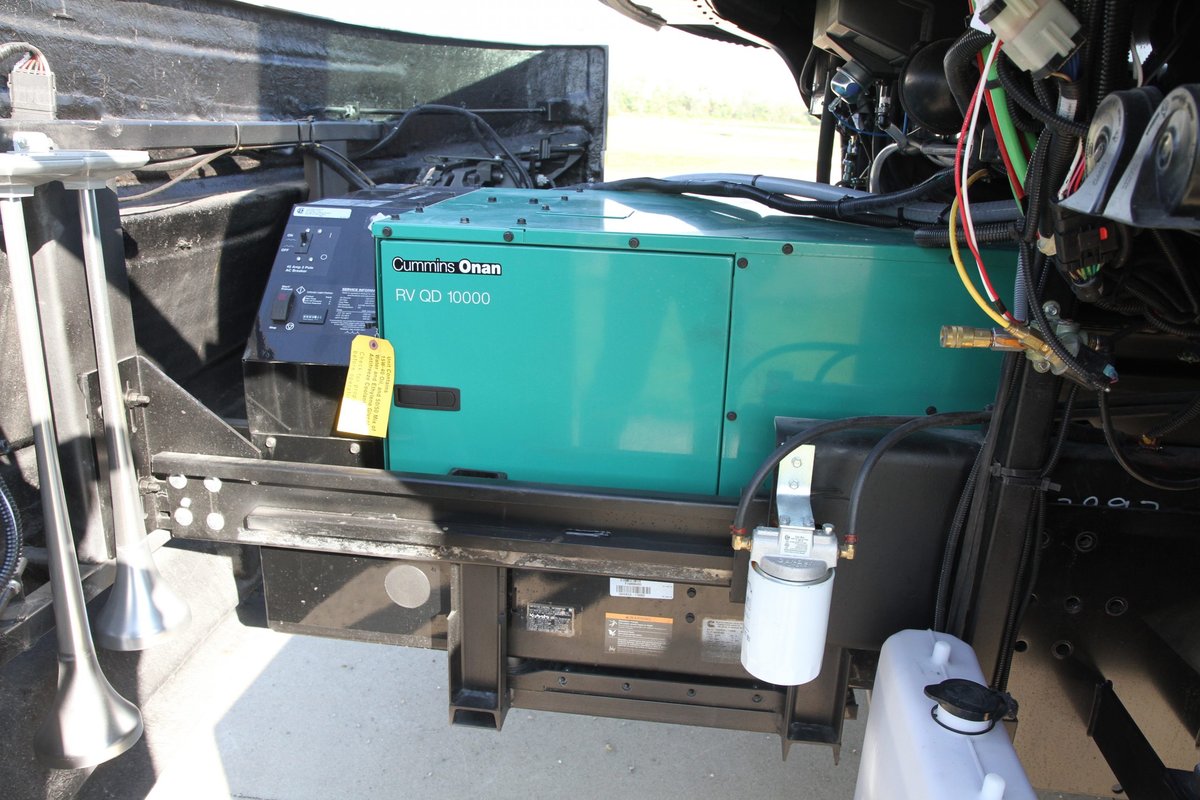
- Diesel Generators: The Heavy-Duty Powerhouse
- Common In: Larger diesel pusher motorhomes. They draw fuel directly from the main diesel tank.
- Pros: Highly fuel-efficient, boast a very long lifespan, extremely powerful (often capable of running multiple AC units), and frequently designed for quieter operation with soundproofing.
- Cons: Highest upfront cost, significantly heavier, and require diesel-specific maintenance.
- Example Models: Cummins Onan is the dominant player in this market.
- Gasoline Generators (Onboard): Integrated Convenience
- Common In: Class A and C motorhomes. They draw fuel from the main gasoline tank (often only down to a quarter or third tank to prevent stranding the RV).
- Pros: Convenient fuel source shared with the RV, powerful enough for most RV needs, and seamlessly integrated into the RV's systems.
- Cons: Can be noisy, less fuel-efficient than their diesel counterparts, and still produce exhaust fumes that need to be vented safely.
- LP (Propane) Generators (Onboard): The Clean & Quiet Alternative
- Common In: Less common as a primary power source for large loads, but found in some RVs, using the RV's propane supply.
- Pros: Cleaner burning, generally quieter than gasoline equivalents, and fuel is readily available if your RV uses propane for other appliances.
- Cons: Less powerful than diesel or gasoline options, and propane burns faster, meaning more frequent refilling of your RV's propane tanks.
3. The Silent Revolution: Solar Generators
While not a "generator" in the traditional sense of burning fuel, solar power systems for RVs achieve the same goal: providing off-grid electricity. They consist of solar panels that charge a battery bank, which then powers your RV's 12V system and AC appliances via an inverter.
- Pros: Silent operation, no fuel costs, zero emissions (environmentally friendly), minimal maintenance once installed, and continuous power generation in sunny conditions.
- Cons: High upfront cost for a robust system (panels, batteries, charge controller, inverter), power output is entirely dependent on sunlight, limited power output compared to larger fuel generators (especially for high-draw items like AC), and requires significant roof space for panels and storage space for batteries.
Choosing Your Ideal Generator: A Smart RVer's Checklist
Now that you understand the different types, let's refine your choice based on key decision-making factors.
Match Your Wattage Needs Precisely
As we covered, accurately calculating your power needs is non-negotiable. Don't underestimate! It's always better to size up slightly (by 10-20%) rather than run your generator at 100% capacity constantly, which reduces its lifespan and efficiency. For example, if your calculations show you need 3000 running watts with a 4000-watt surge, aim for a 3500-4500 watt generator.
Mind the Decibels: Noise Levels Matter
Generator noise is measured in decibels (dB). This is a critical factor for your comfort and that of your neighbors, especially in campgrounds with quiet hours.
- Inverter generators: Typically operate between 50-60 dB, which is comparable to a normal conversation. Many campgrounds require generators to operate within this range.
- Conventional generators: Often exceed 70 dB, similar to a vacuum cleaner or loud blender, which can be intrusive.
- Onboard diesel generators: Often designed with soundproofing, making them surprisingly quiet despite their power.
- Solar power: Completely silent.
Always check a generator's decibel rating, often measured at 23 feet with no load, to get a realistic idea of its sound output.
Fueling Your Adventures: Efficiency and Availability
Your choice of fuel impacts cost, convenience, and environmental footprint.
- Gasoline: Widely available at almost any gas station, but less fuel-efficient than diesel. For portable units, you'll need to carry extra fuel cans, which takes up space and requires careful handling.
- Propane: Cleaner burning and often integrated with your RV's existing supply, eliminating the need for extra cans. However, it's less energy-dense than gasoline or diesel, meaning it burns faster, and finding propane refills can be challenging in very remote areas.
- Diesel: The most fuel-efficient option, making it ideal for long runs and high power demands, especially in larger motorhomes already running on diesel. However, diesel generators are typically more expensive and heavier.
- Solar: "Free" fuel from the sun, but requires a substantial initial investment and is dependent on weather conditions. No ongoing fuel costs or emissions.
Portable Convenience vs. Integrated Comfort
Consider how you want to use your generator.
- Portable: Offers ultimate flexibility. You can position it away from your RV for noise reduction or even use it as a backup power source for your home. They are often more affordable. The downside is setup time, manual fueling, and the need for secure storage against theft.
- Built-in: Provides ultimate convenience. Simply press a button from inside your RV to start it. They are typically quieter due to sound insulation and less prone to theft. The trade-off is higher upfront cost and fixed installation.
Keeping Your Power Plant Purring: Essential Care & Maintenance
A generator is an investment that requires regular attention to ensure its longevity and reliability. Neglecting maintenance is a surefire way to encounter problems when you need power the most.
Pre-Trip Checks: Proactive Power Peace
Before every significant trip, dedicate 15-20 minutes to these quick checks:
- Oil Levels: Ensure oil is at the recommended level. Low oil can cause automatic shutdown.
- Air Filter: Inspect for debris; clean or replace if excessively dirty.
- Fuel Supply: Confirm you have sufficient fuel (remember onboard gas generators often require your RV tank to be >1/3 full).
- Spark Plug: Visually inspect for signs of wear or fouling.
- Test Run: Start the generator and let it run for 15-20 minutes under a light load (e.g., a few lights, phone charger) to ensure it's operating smoothly.
Routine Maintenance: Longevity's Little Secrets
Adhering to a regular maintenance schedule is paramount.
- Run Regularly: This is critical! Run your generator for at least 30 minutes once a month, ideally under at least a 50% load. This lubricates internal parts, prevents fuel varnish buildup in the carburetor, and keeps seals from drying out.
- Oil Changes: Perform oil changes every 50-100 hours of operation or annually, whichever comes first. Refer to your owner's manual for specifics and recommended oil types.
- Filter Replacements: Replace air and fuel filters according to the manufacturer's schedule. A clogged air filter can significantly reduce performance and fuel efficiency.
- Spark Plug Replacement: Replace the spark plug periodically, typically every 100-300 hours, or as specified in your manual.
- Cleanliness: Keep cooling fins, air intakes, and the entire unit clean and free of dirt, dust, and debris to prevent overheating.
Safety First: Operating Your Generator Wisely
Generator safety is non-negotiable.
- Ventilation is Key: ALWAYS operate your generator in a well-ventilated outdoor area. Position it far away from windows, doors, and vents of your RV to prevent deadly carbon monoxide (CO) fumes from entering.
- Carbon Monoxide Detector: Ensure your RV has a working CO detector and test it regularly. This is your first line of defense against an invisible, odorless killer.
- Level Surface: Operate the generator on a level surface to ensure proper lubrication and cooling.
- Grounding: Follow manufacturer instructions for grounding the generator if required.
- Read the Manual: This cannot be stressed enough. Your generator's owner's manual contains vital information specific to its model, including troubleshooting, maintenance schedules, and safety warnings. Consult it regularly, and seek professional help for complex issues.
Troubleshooting Your RV Generator: Quick Fixes for Common Headaches
Even with diligent maintenance, issues can arise. Many common problems have simple solutions.
When Your Generator Plays Hard to Get (Won't Start)
- Fuel Level: This is the most common culprit. Check that there's enough fuel. For onboard generators, remember that RV tanks often need to be >1/4 for diesel or >1/3 for gasoline for the generator to draw fuel.
- Oil Level: Generators have low-oil shutoff sensors. Check and top off the oil if needed.
- Choke: If it's a cold start, ensure the choke is engaged.
- Spark Plug: Remove, inspect, clean any fouling, or replace if it looks worn or damaged.
- Air Filter: A severely clogged air filter can prevent starting. Clean or replace it.
- Battery: For electric-start models, check the generator's dedicated battery or your RV's house battery (depending on the setup). Ensure terminals are clean and tight.
- Circuit Breakers: Check if the generator's internal circuit breaker has tripped.
Power Puzzles: Fluctuations or Low Output
- Overload: Are you trying to run too many high-wattage appliances simultaneously? Reduce the load to see if power stabilizes.
- Fuel Quality: Stale or contaminated fuel can cause issues. Use fresh fuel, and consider a fuel stabilizer if storing the generator for extended periods.
- Air Filter: A dirty air filter restricts airflow, impacting performance. Clean or replace it.
- Altitude: Generators lose power at higher altitudes. For every 1,000 feet above sea level, you can expect a 3.5% power reduction. Adjust your expectations or reduce your load.
The Heat Is On: Overheating and Shut-downs
- Ventilation: Ensure the generator has clear space around it for adequate airflow. Blocked vents or operating in an enclosed space will cause overheating.
- Cooling Fins: Clean any obstructions from the cooling fins on the engine.
- Oil Level: Low oil can cause increased friction and overheating, leading to an automatic shutdown.
- Overload: Running the generator at its maximum capacity for extended periods, especially in hot weather, can cause it to overheat and shut down. Reduce the load.
Your Top RV Generator Questions, Answered.
How much power do I really need for my RV?
For basic use (lights, chargers, laptop, fan), 1,000-2,000 watts is often sufficient. For running an air conditioner, microwave, or other high-draw appliances, you'll likely need 3,000-4,500+ watts. Always calculate your peak simultaneous wattage (including starting surges for motors) and add a buffer.
Are inverter generators worth the extra cost?
Yes, for most RVers, they absolutely are. Their benefits—clean power safe for sensitive electronics, significantly quieter operation, better fuel efficiency, and lighter weight—far outweigh the initial higher investment for recreational use.
Can I run my RV generator all night?
Generally, it's not recommended. Many campgrounds have "quiet hours" (typically 8 PM to 8 AM) during which generator use is prohibited. Even outside of campgrounds, running a fuel-powered generator all night consumes a lot of fuel and can be noisy, disturbing both yourself and potentially others nearby. For overnight essentials, a robust battery bank (charged by solar or your generator during the day) is a better, quieter solution.
What’s the quietest RV generator type?
Solar power systems are completely silent. Among fuel-powered options, inverter generators (typically 50-60 dB) are the quietest. Onboard diesel generators can also be surprisingly quiet due to their integrated design and soundproofing.
How often should I run my RV generator?
You should run your RV generator for at least 30 minutes once a month, ideally under a moderate load. This prevents fuel system issues, lubricates internal components, and keeps it ready for action.
Power Up Your Adventures with Confidence.
Choosing the right RV generator is about more than just buying a piece of equipment; it's about investing in the freedom and comfort of your RV lifestyle. By understanding the different RV generator types & technology, accurately assessing your power needs, and committing to regular maintenance, you'll ensure your portable powerhouse is a reliable companion on countless adventures. Go forth, explore, and power your journey with confidence!